01
Events


Blog
What Boston was talking about
Nearly 3,000 attendees, four days in the Seaport, and a clear read on where aesthetics is heading. Here is what stood out.
May 14–17 2026, 6 min read
Industry expert David Staughton and Symplast CEO Facundo Formica break down the themes from The Aesthetic MEET 2026.
PART 01
PART 02
PART 03
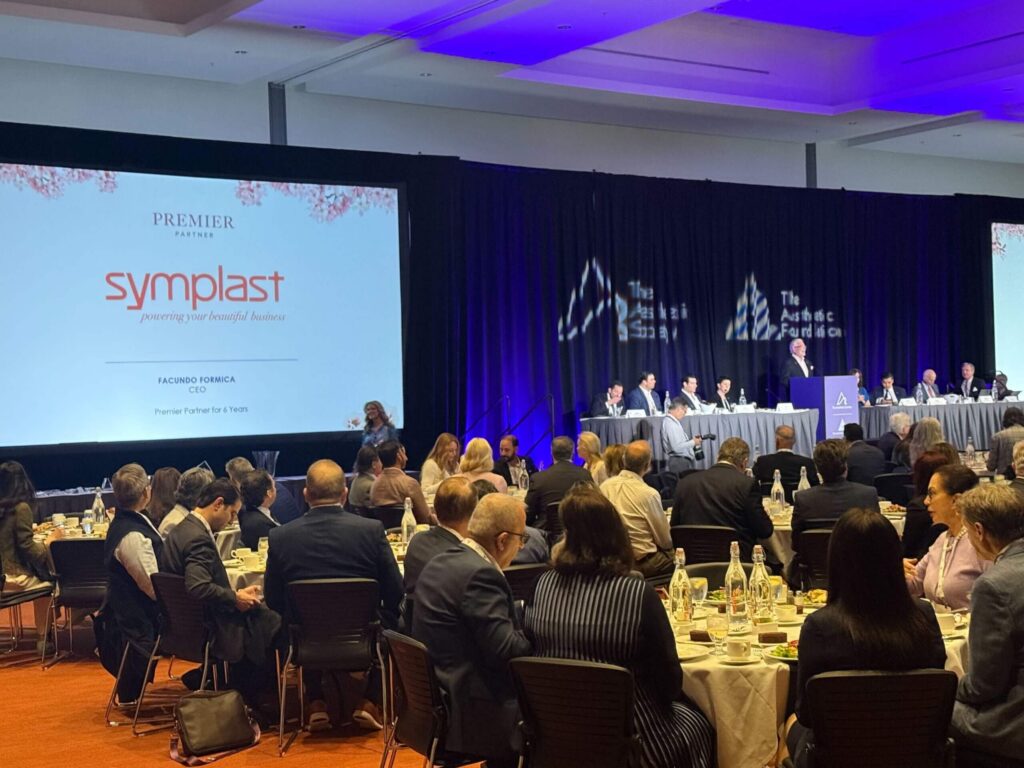
Boston was busy this year. The Aesthetic Society took over the Menino Convention and Exhibition Center in the Seaport from May 14 to 17, and close to 3,000 people came through the doors: surgeons, injectors, practice managers, and the device teams working the floor. It is the fullest the meeting has felt in a few years, and we spent all four days in the thick of it.
By Sunday a handful of things were clear. Some of it was official news from the podium. A lot of it was just the same conversations happening over and over in the hallways and out on the exhibit floor. Here is what stood out.
01
The headline news came during the meeting, when The Aesthetic Society named Jamil Ahmad, MD, as its new President and David Sieber, MD, as President of The Aesthetic Foundation. The handoff arrived during a strong run for the organization. Membership has grown more than 30 percent over the past year, with new members coming in from upward of 30 countries.
In his remarks as President, Ahmad pointed to education, global collaboration, and patient safety as the priorities going forward. That lines up neatly with where the meeting actually spent its energy all weekend.
02
The Society also used Boston to preview Aesthetic One, an all-in-one member platform slated to launch later in 2026. The idea is consolidation. Education, events, registration, payments, and community get pulled into a single place instead of living across a pile of separate logins and tools.
If you have spent any time wrangling the software stack at a busy practice, the appeal is obvious. The broader signal is that even the specialty’s flagship organization is now thinking in terms of one connected system rather than a collection of disconnected parts.
03
This was not a year where the science took a back seat to the business sessions. The Aesthetic Foundation’s ARISE registry released its first annual report, pulling data from more than 130,000 breast implant devices. That is one of the larger real-world data sets the field has had to look at, and it gives surgeons something more grounded than anecdote when they talk outcomes with patients.
The Aesthetic Surgery Journal also marked its 30th anniversary and put out a dedicated supplement on exosomes, which has been one of the louder topics in regenerative aesthetics lately. Patient safety ran underneath a lot of the program too, from a sizable block of safety-focused CME to a steady drumbeat around ultrasound-guided injectables and vascular complication management. As more new injectors enter the market, that emphasis felt less like routine box-checking and more like the room reading the same warning signs.
04
If one clinical theme dominated the hallways, it was the effect of GLP-1 weight loss medications on the face and body. Surgeons kept describing the same pattern: patients who lose a significant amount of weight quickly, then show up with facial volume loss, skin laxity, and deflation that no diet created.
That is driving real demand. More interest in facelifts and fat grafting for the face, and more conversations about arm lifts, breast reshaping, and body contouring after major weight loss. A few presenters floated the idea that post-weight-loss surgery is becoming its own category rather than a footnote, and based on how often it came up, that does not seem like a stretch.
~3,000
Attendees in Boston
30%+
Membership growth this year
130,000+
Implant devices in the ARISE report
05
The other through-line on the clinical side was a clear move toward restraint. Patients are increasingly wary of the overfilled look, and “filler fatigue” came up enough times to count as a genuine trend. Practices reported more patients asking to dissolve filler, and more consultations that start with undoing someone else’s work.
That shift is feeding a real resurgence in facial fat grafting, which a number of surgeons now frame as the longer-term alternative to repeated filler. Biostimulators and regenerative approaches got the same treatment, favored over aggressive volume. Even breast discussions leaned smaller and softer, with more talk of natural shaping and tissue preservation than dramatic augmentation. It all rhymes with the quieter, less flashy branding direction that high-end practices have been adopting across the board.
06
AI was, predictably, all over the exhibit floor. What changed this year was the tone. In past meetings these tools got pitched as something to keep an eye on. In Boston they were discussed as operating infrastructure, the kind of thing practices are already using for imaging, documentation, analytics, and patient communication.
The healthy skepticism was still in the room, though. Plenty of speakers warned against generic AI output and over-automated patient messaging, and the consensus landed somewhere sensible.
07
The practice-management tracks were among the most crowded of the meeting, which says something on its own. MedSpa growth was a constant theme, as was the broader idea of building a practice around a long-term patient relationship rather than a single procedure. Memberships, maintenance plans, and bundled surgical-plus-nonsurgical pathways all came up as ways to think past the one-off case.
Reputation management got more serious airtime than usual too. Surgeons talked about being watched not just on Google and review sites but on Reddit, TikTok, and AI-generated search summaries, and treating that as something to actively manage. And in a more candid turn, several sessions dealt openly with staffing, burnout, and the cost pressures squeezing practices right now, which is not a topic these meetings always make room for.

08
Boston is also where Symplast pulled the wraps off Velocity, a new invite-only program for practices that want more than a software vendor. The idea is partnership over a login. Velocity pairs the platform with hands-on consulting, AI integration, and a marketing CRM, then adds regular strategy touchpoints, on-site onboarding, and a growth plan built around the practice instead of a template.
It is a deliberate answer to the idea that ran under the whole meeting, that the practices pulling ahead are the ones run like complete businesses. Velocity is built for the teams ready to operate that way, and keeping it invite-only is how it stays that way.
09
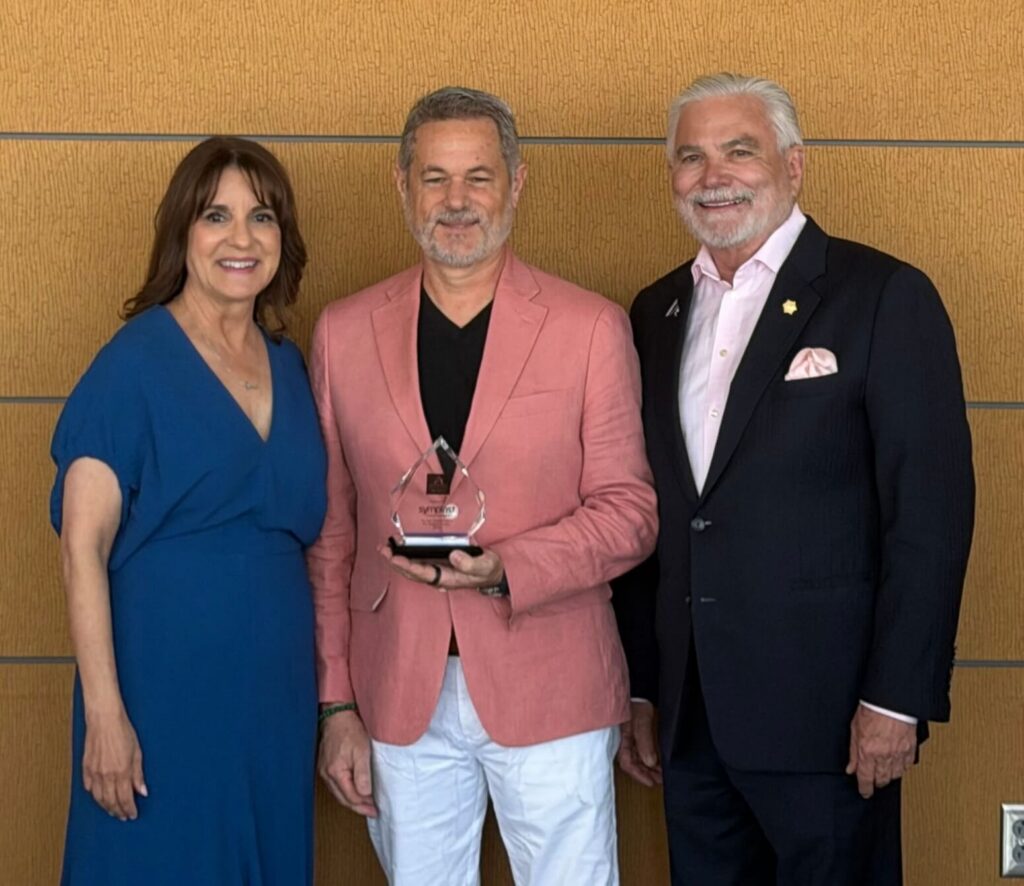
The weekend also brought some recognition closer to home. Symplast was named a Premier Partner of The Aesthetic Society, the organization’s top tier of industry partnership and a group that has traditionally been the domain of injectable, device, and pharmaceutical companies.
That is what makes the distinction stand out. Symplast is the only practice management platform to hold Premier Partner status, sitting alongside names that have long defined the category. For a software company to reach that level says something about how central operational technology has become to the way a modern practice runs.
Step back and the meeting was not really about any single new procedure. The same idea kept surfacing under almost everything: the practices pulling ahead are the ones run like complete businesses. Surgical skill is assumed. What separates them is operations, branding, patient experience, and a relationship that lasts longer than the recovery period.
None of that is a brand new revelation. Boston mostly confirmed a direction the field has been heading for a few years now, and put a fairly clear stamp on it. Worth keeping in mind as the next twelve months play out.
you deserve the best by symplast
Symplast Unveils New Luxury Re-Branding
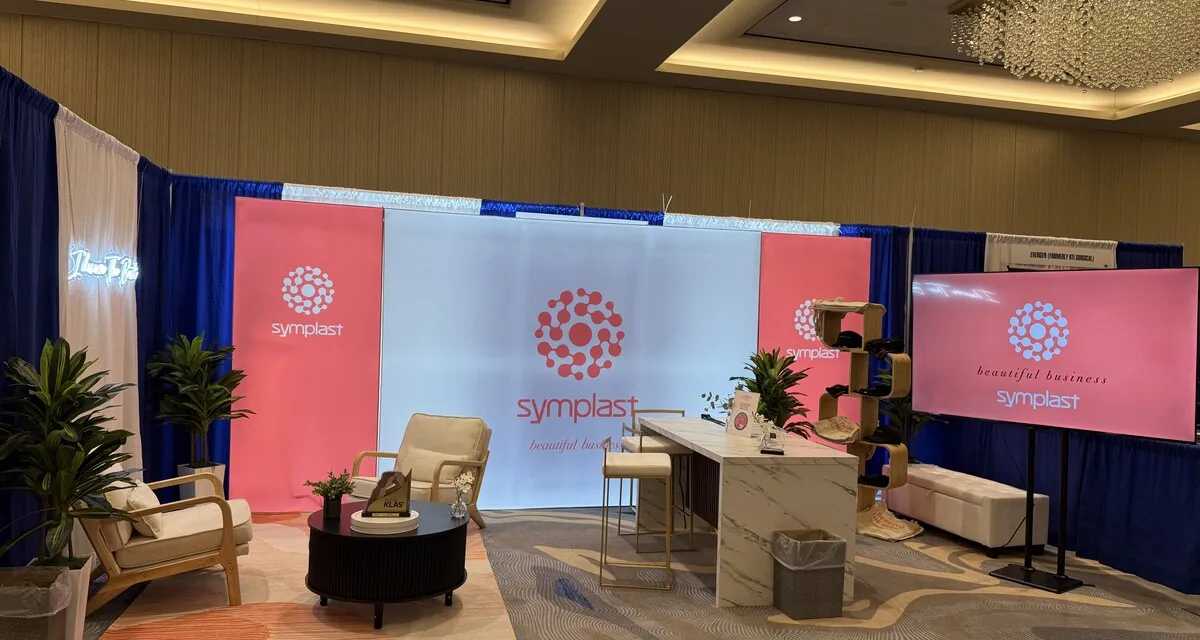
A lot of what came out of Boston, the move toward quiet luxury, premium positioning, and running a practice like a real brand, mirrors a shift we have been making ourselves. We are rolling out a new look built around a simple idea: beautiful business.
It reflects where the strongest practices are heading, and where we think the software serving them should head too.
These preferences supplement our default experience. If you have accessibility needs we have not met, please reach out. Contact us at webmaster@symplast.com.
Preferences are stored on this device only.